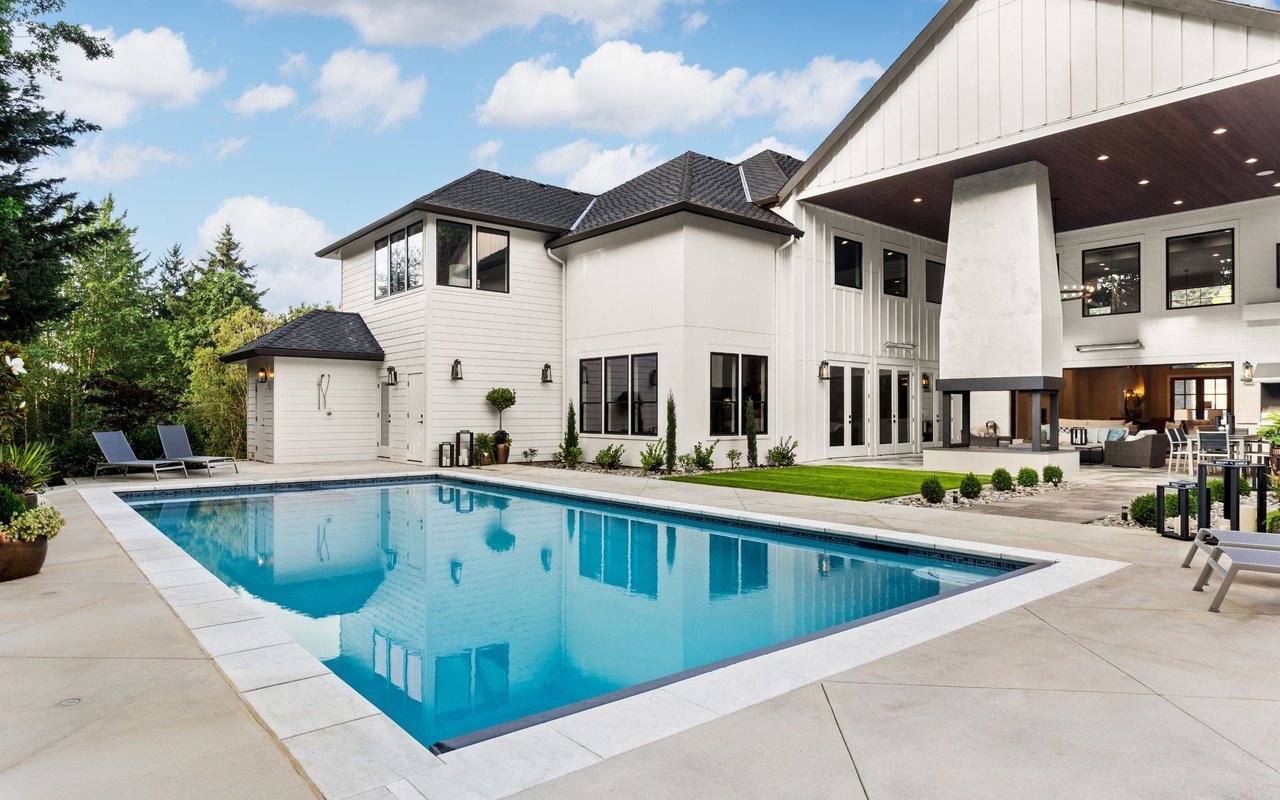
Trying to choose between The Peninsula and The Point? You are not alone. Both are flagship, gated lakefront communities on Lake Norman, and each delivers a polished lifestyle with boating, dining, and social amenities. In this guide, you will learn how these neighborhoods differ by location, governance, clubs, amenities, commute, and home types so you can decide what fits your day-to-day. Let’s dive in.
Location matters: county, taxes, schools
Both communities sit on Lake Norman, but in different municipalities and counties. The Peninsula is in Cornelius within Mecklenburg County. The Point is in or near Mooresville within Iredell County. This split can affect your tax bill, permitting process, and school district assignments.
- Property taxes and services are set by county and municipality. Budgets and millage rates differ, which can change annual costs.
- Permits and building approvals follow local rules. Zoning and whether a home is on sewer or septic are handled by different offices in each county or town.
- School assignments vary by district. The Peninsula is served by Charlotte-Mecklenburg Schools. The Point falls under Mooresville and Iredell jurisdictions. Always confirm current boundaries with district maps.
If you prioritize a specific school system, want clarity on septic vs. sewer, or care about local development plans, location is likely a top decision driver.
HOA and governance: what to review
Luxury lake communities often have layered governance. You will typically see a homeowners association (HOA) that handles neighborhood services and rules, and a separate private club that manages golf, marina, and dining.
Here is what to request and review for either community:
- Core documents: CC&Rs, bylaws, rules, and recent board meeting minutes. Ask for the latest budget, financial statements, and any reserve study.
- Assessments: Understand regular dues, capital contributions or transfer fees on resale, and any pending or recent special assessments.
- Governance: Learn how the board is elected, whether a management company is onsite, and how the architectural review committee approves exterior changes.
- Leasing and use rules: Confirm short-term rental policies, minimum lease terms, pet rules, guest/parking procedures, and noise policies.
- Reserves and projects: Check reserve fund health and any planned capital work like road, dock, or clubhouse updates.
Practical step: Ask for the seller’s HOA resale package and verify if there is any pending litigation. This can impact your costs and your ability to renovate or add features like a pool or dock.
Club models and membership: key differences
The amenities many buyers love are often operated by a private club that is separate from the HOA. Membership structures can vary, and the details matter.
Common models you may encounter:
- Mandatory membership: Club dues required for homeowners. Less common, but it exists in some communities.
- Voluntary membership: Homeownership does not require club membership. You can choose from tiers like full, social, or marina-only.
- Equity vs. non-equity: Equity clubs are member-owned and may include voting rights or share transfers. Non-equity clubs are owned by a company or developer and operate under their terms.
- Tiered options: Full golf, marina-only, social/dining, corporate, or limited-use memberships.
Questions to ask the club office:
- Is membership mandatory for homeowners here, or optional? Which amenities are members-only?
- What are initiation fees and annual dues, and are there minimum spend requirements?
- How are marina slips allocated? Are there waitlists or size limits? Can slips transfer on resale?
- What are guest rules and blackout dates? Are there usage caps for non-resident members?
- Are capital projects planned, and are reserves fully funded?
Getting the club’s written membership categories, fee schedules, and bylaws will help you compare true carrying costs and access.
Amenities and lifestyle: what to compare
Both communities promote a polished lake lifestyle. The difference comes down to the mix and the rules for using each amenity.
For a fair comparison, inventory the following at each community:
- Marina access: Slip count, wet vs. dry storage, fuel dock, maintenance services, guest slips, and slip size limits. Confirm waitlist policies.
- Golf access: Private course status, tee time policies, practice facilities, and whether non-residents can join or play.
- Clubhouse and dining: Number of venues, catering for events, and rental policies for private functions.
- Pools and aquatics: Pool types, lap lanes, family features, and food and beverage service hours.
- Fitness and wellness: Facility size, class offerings, trainers, and any spa services.
- Racquet sports: Tennis and pickleball courts, programming, and reservation rules.
- Family programming: Junior golf, swim teams, camps, kids’ clubs, and childcare options.
- Security: Gate staffing hours, visitor procedures, and internal patrols.
Tip: Tour during daytime and an evening event to see how the community feels in action. Review amenity usage policies and the event calendar to judge the social pace.
Commute, access, and services
Lake Norman living often involves a car-based lifestyle. I-77 is the main north-south route connecting the lake to Uptown Charlotte and other job centers. Traffic can build during peak hours, so location on the lake can change your daily routine.
- Commute reality check: Use live mapping to test AM and PM drive times to your key destinations, including Uptown, SouthPark, University City, and major corporate campuses.
- Airport access: Plan trips to Charlotte Douglas International Airport during your typical travel windows to gauge reliability.
- Everyday services: Map your distance to grocery stores, medical centers, urgent care, and retail nodes you will use most.
- School commute: Many residents drive or carpool. Verify routing and any bus service for assigned schools.
Running these checks for your specific addresses is the most accurate way to compare The Peninsula and The Point on convenience.
Homes, lots, and lakefront details
Architecture and lot types vary, and each carries different maintenance and permitting considerations.
- Waterfront estates: Larger lots with private docks are common. Verify dock ownership rules, shoreline regulations, and any easements.
- Golf course homes: Focus on course views over direct water access. Confirm ARC design standards for materials and exterior changes.
- Age and updates: Expect a mix of original estate homes and newer custom renovations or infill builds.
- Floodplain and elevation: Waterfront properties may require elevation certificates or specific insurability checks.
- Utilities: Confirm sewer vs. septic, stormwater responsibilities, and available internet/cable providers.
Market dynamics can shift with season and inventory. For a pricing view, compare days on market, price per waterfront foot, and recent comps by lot type through trusted local data sources.
How to choose: lifestyle fit guide
When both options check a lot of boxes, focus on the handful of levers that matter most to your life.
- Club model and cost: Decide whether you prefer mandatory simplicity or the flexibility of optional tiers. Weigh initiation fees, dues, and any minimum spend.
- Primary lifestyle: Rank boating, golf, or a robust social calendar. Look for the community that invests most in your top priorities.
- Commute tolerance: Run real drive times during peak hours to your work, schools, and frequent destinations.
- Home preference: Waterfront estate with a private dock, golf-view home, or lower-maintenance living. Confirm ARC rules for your plans.
- Location services: Consider which county’s property taxes, permitting process, and municipal services align with your expectations.
- Schools: If district is important, verify current boundaries for your preferred program and after-school needs.
You do not need a perfect score across every category. Choose the community that meets your top three priorities with confidence.
Buyer verification checklist
Use this checklist as you compare The Peninsula and The Point. It will help you confirm true costs, access, and rules before you write an offer.
HOA and property
- CC&Rs, bylaws, rules, recent minutes, budget, financials, and any reserve study.
- Current dues, transfer fees, and any special assessments.
- Management contacts, ARC process, and typical approval timelines.
- Leasing rules, pet policies, guest/parking procedures, and noise expectations.
- Insurance for common areas and any owner coverage requirements.
Club and marina
- Mandatory or optional membership, membership tiers, and initiation fees.
- Annual dues, minimum spend, and any capital assessments.
- Marina slip details, size limits, waitlists, guest slips, fueling, and maintenance options.
- Slip transfer rules on resale and policies for non-resident members.
- Club bylaws, financials, and any planned capital projects.
Lifestyle and amenities
- Club hours, dining service schedule, and social event calendar.
- Private event availability, fees, and catering policies.
- Fitness classes, trainers, and wellness services.
- Youth programming, schedules, and costs.
- Gate staffing hours and visitor procedures.
Physical property and permitting
- Dock permits, shoreline rules, and any dredging history.
- Floodplain maps, elevation certificates, and seawall responsibilities.
- Utility details: sewer vs. septic, stormwater, and connectivity providers.
Location and commute
- Peak-hour drive times to work, airport, and frequent destinations.
- Proximity to grocery, medical, and retail hubs.
- Planned road projects that could affect access.
Transactional and resale
- Transfer or closing fees owed to the HOA or club, and who pays.
- Whether club equity conveys with the home or is purchased separately.
- Historical resale trends and absorption of luxury inventory in each community.
The bottom line
The Peninsula and The Point both deliver the Lake Norman lifestyle, just with different frameworks for taxes, governance, club access, and daily convenience. Focus on the club model you prefer, the commute you can live with, and the home type that fits your life. Then verify the details in writing with HOA and club documents so you can buy confidently.
If you want a side-by-side comparison tailored to your address, schedule, and wish list, let’s connect. Whether you want full representation or an advisory engagement for strategy only, you will get local, data-driven guidance and a smooth process from search to closing. Reach out to Carla Agnini to start your Lake Norman plan today.
FAQs
What are the main differences between The Peninsula and The Point?
- They are both gated, lakefront communities, but The Peninsula is in Cornelius/Mecklenburg County and The Point is in the Mooresville/Iredell area. That affects taxes, permitting, and school districts, plus commute patterns along I-77.
Are club memberships mandatory in these two Lake Norman communities?
- Membership structures vary by community and membership tier. Some developments require membership while others offer optional tiers. Confirm mandatory status, initiation fees, and dues directly with the club and HOA documents.
How do HOA fees and special assessments compare between The Peninsula and The Point?
- Dues and assessments are set by each HOA and can change over time. Request the resale package, current budget, reserve study if available, and any special assessment notices to compare true costs.
Which schools serve homes in The Peninsula and The Point?
- The Peninsula is within Charlotte-Mecklenburg Schools, and The Point is in the Mooresville/Iredell area. Always verify current school boundaries with official district maps before you buy.
What should boaters verify before buying on Lake Norman?
- Confirm marina slip availability and policies, private dock eligibility and permits, water depth at the dock, transfer rules on resale, and fees for fueling, storage, and maintenance.
How can I test commute times from these communities to Uptown Charlotte?
- Use live mapping tools to run AM and PM drive times from specific addresses you will use for work, school, and the airport. Check at the times you would actually travel to get a realistic picture.