Are you seeing “waterfront,” “waterview,” and “deeded lake access” in Denver listings and wondering what they really mean? You are not alone. These terms shape your budget, boating options, and day-to-day lifestyle around Lake Norman. In this guide, you will learn how each label works in Denver and Lincoln County, what it typically means for price and privacy, and how to verify claims before you make an offer. Let’s dive in.
What each term means in Denver
Waterfront
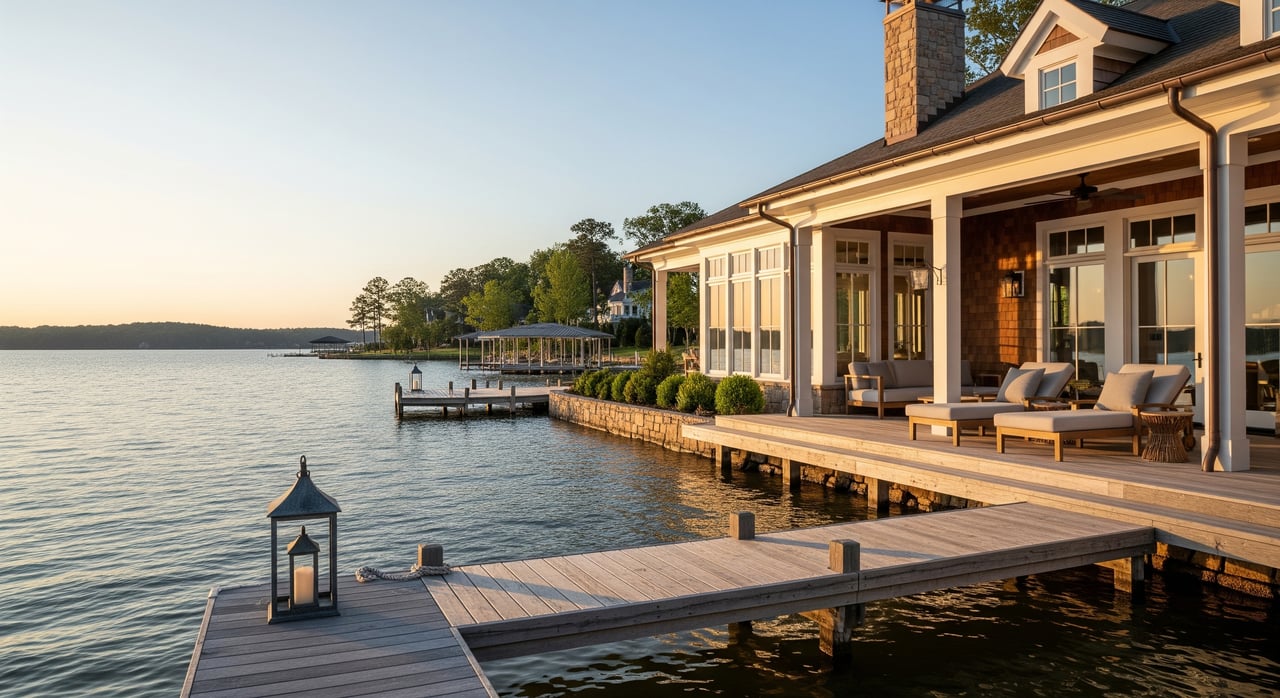
A waterfront property’s parcel touches Lake Norman’s shoreline. You can step from your land directly to the water without crossing a road or someone else’s property. Listings often highlight “private dock,” “riparian frontage,” or show parcel lines touching the lake on a plat. Buyers usually expect direct access, potential for a private dock, and strong views, along with higher maintenance responsibilities for shoreline and dock care.
Waterview
A waterview home sees the lake but does not touch the shoreline. The view may be panoramic, partial, or even seasonal when leaves are off. You will not have automatic rights to a dock or shore. These properties often sit at a lower price point than true waterfront and can mean less maintenance and more separation from waterfront activity.
Deeded or shared lake access
Deeded access means a recorded right through an easement or HOA to use a specific access point. That access could be a community ramp, a shared dock, or a waterfront lot owned by the neighborhood. It is not on your parcel, so you will travel to reach it, and rules or fees may apply. Some access is exclusive to a limited number of owners, while other access is shared by all HOA members.
Public access
Public boat ramps and parks around Lake Norman are open for general use. They help non-waterfront owners get on the lake, but they do not include any private docking or exclusive rights. Availability and parking can vary by day and season.
How labels affect price and value
- Waterfront usually commands the highest premium because lakefront land is scarce, and private shoreline access is highly valued. Around Denver in Lincoln County, premiums tend to be stronger for deep water, gentle lot slopes, and permitted docks.
- Deeded or shared access typically prices below private waterfront but above similar homes without any access. The value depends on how close the access point is, how many owners share it, and whether there are dock slips or a ramp only.
- Waterview generally carries a smaller premium than waterfront and can be a smart path to lake lifestyle at a lower acquisition cost. The quality and reliability of the view matter.
Local nuance: Not all shorelines are equal. Deep, navigable water with good docking conditions tends to outperform shallow or silting coves. Proximity to marinas and amenities can also influence pricing. Use recent comps in your target Denver micro-neighborhoods to set realistic expectations.
Lifestyle, privacy, and maintenance
Waterfront day-to-day
You enjoy direct lake access and often the most private experience, depending on cove traffic and nearby activity. Expect regular dock inspections, shoreline upkeep, and potential erosion control. The tradeoff for convenience is a higher maintenance budget.
Deeded/shared access living
You can boat and swim through shared facilities, which keeps your home’s shoreline workload low. Privacy at the access point will vary. Rules, hours, and parking policies are set by the HOA or easement terms, so read them early.
Waterview experience
You get the view without daily dock traffic at your doorstep. Many buyers prefer the lower maintenance and quieter setting. Plan for how you will get on the water, and map drive times to public ramps or marinas.
Docks, boating, and permits on Lake Norman
On Lake Norman, shoreline structures such as docks often require authorization through Duke Energy’s Shoreline Management Program. A waterfront parcel does not automatically guarantee a legal dock. Always confirm:
- Whether an existing dock has a valid permit or lease and whether it meets current specifications.
- If a dock can be added or expanded. Rules may govern size, number of slips, and placement.
- The type of shared access you receive with deeded rights. Some sites offer a ramp only; others include shared docks or slips.
For due diligence, request copies of any dock permits or approvals, HOA rules for shared facilities, and documentation of recent dock inspections or repairs. Ask about usable water depth for your boat type and the shoreline’s bottom conditions.
Resale and marketability
- Waterfront: Often resells well in desirable pockets of Denver because buyers prioritize direct access. Resale strength depends on shoreline condition, water depth, and confirmed dock rights.
- Deeded/shared access: Attracts buyers who want lake use without a full waterfront price point. Clarity in the recorded easement and well-run HOA facilities support long-term value.
- Waterview: Appeals to buyers focused on scenery and lower maintenance. Marketing should highlight the view quality and drive time to the nearest ramp or marina.
Across all three, clean documentation is powerful. Verified permits, recorded easements, and accurate plats reduce surprises and help your property stand out when it is time to sell.
Buyer search and verification steps
Use this checklist before you write an offer or early in your inspection period:
- Confirm waterfront status on the plat and deed. Do parcel lines touch the lake? Obtain the recorded plat from Lincoln County.
- For deeded access, read the recorded easement or HOA documents. Learn who can use the site, what is included, and how costs are shared.
- Verify dock permits and status through Duke Energy records and seller documentation. Keep copies of permits and any inspections.
- Review HOA covenants, bylaws, rules, and meeting minutes. Look for parking limitations, waitlists for slips, or special assessments.
- Order a survey that shows boundaries, shoreline, and any structures. Confirm any encroachments or title issues with your attorney.
- Ask a local marine contractor about usable water depth, seasonal levels, and shoreline conditions for your intended boat.
- Get insurance quotes early, including flood insurance if applicable. Check FEMA flood maps for your parcel’s zone.
- Confirm local zoning and setbacks with Lincoln County Planning. Understand rules for new or replacement docks and shoreline improvements.
- Pull recent comps in your Denver micro-area for each property type: waterfront, deeded access, and waterview.
Quick scenarios to compare choices
- True waterfront with a private dock: Highest entry price, strongest daily convenience, and direct boat access. Plan for dock and shoreline maintenance, and confirm permit status.
- Subdivision home with deeded access: Lower purchase price than waterfront, plus legal use of a shared ramp or dock. Read easement terms, understand parking, and confirm how many owners share the site.
- Ridge home with waterview: Great views and lower maintenance at a more attainable price. No automatic docking rights. Check drive time to ramps and marinas.
How to choose your best fit
Start with your lifestyle and budget, then layer on logistics:
- Boating frequency: How often will you use a boat, and what size? Match that to water depth, dock type, and access convenience.
- Maintenance appetite: Are you comfortable managing shoreline and dock care, or would you prefer HOA-managed facilities?
- Privacy preferences: Do you want activity at your dock or a quieter setting with a view but no docking?
- Commute and amenities: Map your route to schools, work, and marinas. Consider weekend ramp traffic if you rely on shared or public access.
- Documentation comfort: If you choose deeded access, make sure the easement language is clear and the HOA is well governed.
When you are ready, a local advisor can validate documents, coordinate surveys and permits, and structure offers that protect your interests.
If you want a focused plan for Denver and the Lincoln County side of Lake Norman, including dock permit checks, HOA reviews, and price guidance, connect with Carla Agnini for full representation or consulting support.
FAQs
What does “waterfront” mean on Lake Norman listings?
- It means the parcel physically touches the lake shoreline, which often allows direct access and the possibility of a private dock if permits are in place.
How do dock permits work on Lake Norman?
- Shoreline structures typically need authorization through Duke Energy’s Shoreline Management Program, so you should verify existing permits and what is allowed for changes.
What is deeded lake access in Denver, NC?
- It is a recorded right to use a specific ramp, dock, or waterfront lot that is not on your parcel, with rules and costs defined by easements or HOA documents.
Can a waterview home add a dock later?
- Not without shoreline frontage or a separate recorded easement, since docking rights are tied to riparian access and governed by local shoreline rules.
Do I need flood insurance for a waterfront home in Lincoln County?
- It depends on your flood zone and lender requirements, so check FEMA maps and get quotes early during due diligence.
What should I verify before offering on a lake property?
- Confirm the parcel type, recorded access rights, dock permits, HOA rules, survey boundaries, usable water depth, insurance costs, and local setbacks and permits.