Wondering what day-to-day life on Lake Norman really feels like? If you are picturing glassy morning water, afternoon boat rides, and easy access to shops and schools, you are on the right track. Life here blends an active lake culture with suburban convenience, but there are tradeoffs to consider, such as commute times and waterfront maintenance. This guide gives you a clear picture of daily living, housing choices, and practical steps so you can decide if the Mecklenburg-side shoreline is your fit. Let’s dive in.
Lake Norman at a glance
Lake Norman is a man-made reservoir created by Duke Power in the early 1960s. It is North Carolina’s largest man-made lake with 32,000+ acres of water and roughly 520 miles of shoreline. The Mecklenburg County side centers on Cornelius, Davidson, and Huntersville, with strong ties to greater Charlotte for work, healthcare, and entertainment.
Duke Energy manages lake levels and shoreline easements. Local counties and towns handle zoning, docks, and land-use decisions. For many residents, the lifestyle is year-round suburban lakeside living, with a clear surge in boating and social activity from late spring through early fall.
Everyday life on the water
Boating is a core part of the culture. You will see pontoons for social cruising, wake boats for sports, fishing boats, and personal watercraft. Weekends often revolve around time on the water when the weather is warm.
If you do not own a boat, you can still enjoy the lake through marinas, public ramps, and community docks. Demand for slip rentals rises in summer, and the most popular marinas can have waitlists. If a private slip matters, confirm availability early or focus on homes that include dock access.
Safety and courtesy are part of daily life. Expect posted speed and no-wake zones near marinas and public areas, along with enforcement by local marine patrols. If you are new to the lake, plan to learn the rules before you head out.
Recreation beyond the boat
You can enjoy lakeside parks, trails, and greenways that make walking, biking, and birdwatching easy. Jetton Park is a favorite for waterfront views and paths, and regional trail systems like Carolina Thread Trail segments connect neighborhoods to nature. Larger state park facilities on the lake add more hiking and picnic options.
Fishing is popular year-round. Anglers target largemouth bass, crappie, and catfish. Wildlife sightings are common, from waterfowl to occasional deer along the shoreline. Organized programs like yacht clubs, sailing instruction, community docks, and summer camps build social connections for both adults and kids.
Dining, shopping, and arts
Cornelius and Davidson offer a mix of local restaurants, cafes, and everyday shopping within a short drive of most shoreline neighborhoods. Huntersville and nearby Charlotte areas provide larger retail centers and national chains. Waterfront dining exists but is concentrated in specific marinas and pockets of town.
The arts and nightlife are more local than Charlotte’s. You will find community theater, college events in Davidson, breweries, and seasonal festivals. For broader cultural and sports options, many residents head into Charlotte.
Commute and getting around
The Mecklenburg-side lake towns are suburban to Charlotte. Typical drive times to uptown Charlotte range from about 25 to 45 minutes depending on your starting point and traffic. Congestion on I-77 can add time during rush hours, so it helps to test your route at the hours you plan to travel.
Public transit is limited compared to inner Charlotte. Park-and-ride and express services exist, but most households rely on private vehicles for daily life.
Schools, healthcare, and services
School options include neighborhood and magnet programs within Charlotte-Mecklenburg Schools. Attendance zones vary by neighborhood, and many parents review boundaries and program availability during their home search. Davidson’s small-town setting and the presence of the college shape local school culture and community events.
Healthcare access is straightforward for most shoreline residents. Hospitals and urgent care are commonly 15 to 30 minutes away in the Huntersville and Cornelius area, and major medical centers in Charlotte are reachable by car.
Housing on Lake Norman
Waterfront vs. lake-adjacent
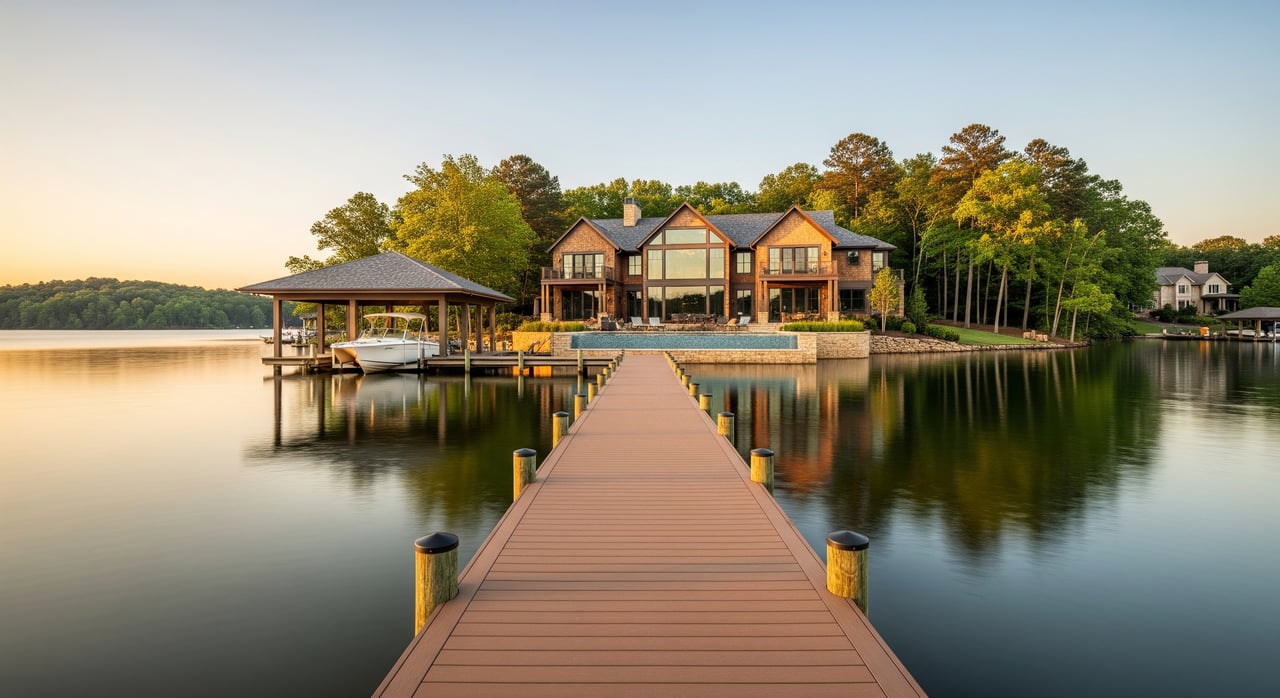
Waterfront homes command a premium and come with more responsibilities. You should expect ongoing dock and shoreline maintenance, periodic approvals for repairs or upgrades, and attention to erosion control. Resale value depends on view quality, water depth and access, and the condition of docks and lifts.
Lake-adjacent neighborhoods appeal to buyers who want the lifestyle without the full cost of a private dock. Many of these communities offer shared amenities, such as community slips, pools, or trails, and are a short walk or golf-cart ride from the water.
Price tiers and inventory
Inventory on the water is often limited, and timing can follow seasonal patterns. The broader market ranges from mid six-figure single-family homes in certain inland areas to multi-million-dollar estates on prime waterfront lots. Pricing is driven by town location, lot size, water access, and neighborhood amenities more than county lines. Market conditions shift with regional trends, so local data at the time you shop will matter.
Taxes, utilities, and insurance
- Property taxes are set by the county and town. Check current rates and any special assessments or HOA fees for a specific property.
- Many waterfront parcels are in floodplains or mapped hazard zones. Lenders typically require flood insurance for homes in these areas. Review FEMA maps and consider a flood-elevation certificate during due diligence.
- Utilities vary by community. Denser shoreline neighborhoods often have municipal water and sewer, while some properties use well and septic systems. Septic capacity and maintenance are common buyer considerations.
Seasonality and tradeoffs
Peak seasons and noise
Summer weekends and holidays like Memorial Day, July 4, and Labor Day bring heavy boat traffic, crowded ramps, and more sound near popular docks. Winters are quieter, and a few seasonal businesses may reduce hours. If noise levels matter to you, visit a property at different times, including a summer Saturday afternoon.
Maintenance realities
Dock permitting, routine repairs, and shoreline stabilization are part of waterfront ownership. You will also plan for vegetation management, pest control, and seasonal tasks like winterizing boats and lifts. Permit cycles and costs vary, so it is wise to ask sellers for records of prior dock work and approvals.
Safety and environment
Water quality is monitored on an ongoing basis. From time to time, local agencies report algae blooms or aquatic plant issues and share advisories when needed. Emergency response for fire, rescue, and marine incidents depends on municipal resources, so it is helpful to check coverage for your specific neighborhood.
Neighborhood variety by shoreline
Lifestyle can vary from one cove to the next. Some communities are more walkable to parks, restaurants, and marinas. Others feel private, rural, or gated with larger lots and fewer nearby businesses. Many neighborhoods have active HOAs, shared docks, and social calendars, while others are quieter with minimal common amenities. You can find a fit whether you prefer a lively marina scene or a low-key cove.
A practical buyer checklist
Use this quick list to focus your search and protect your timeline.
- Confirm zoning, HOA rules, and any shoreline easements, including Duke Energy requirements for docks.
- Review FEMA flood maps and consider a flood-elevation certificate. Estimate flood-insurance costs early if the home is mapped in a flood zone.
- Request records for shoreline stabilization, dock permits, and lift installations. Clarify responsibilities for future maintenance.
- Check school attendance boundaries and program options if that is a priority for your household.
- Visit at multiple times, including a peak summer weekend and a quiet weekday, to gauge noise, traffic, and lake activity.
- Verify marina slip availability if your target homes do not include private dock access.
- Test your commute during your actual travel hours, especially if you will use I-77.
Is Lake Norman right for you?
If you want an active outdoor lifestyle, easy access to parks and water, and the convenience of suburban living with Charlotte close by, Lake Norman delivers. You will balance that with seasonal crowds, waterfront maintenance, and potential commute variability. The best approach is to choose by lifestyle fit first, then match the home and shoreline location to your daily routines.
Ready to explore neighborhoods, compare waterfront and lake-adjacent options, or map out a relocation timeline? Work with Carla Agnini for hyper-local guidance, flexible services that range from full representation to consulting, staging support, and virtual showings. Your Lake Lifestyle Starts Here.
FAQs
How long is the commute from Lake Norman to uptown Charlotte?
- Typical drive times from Mecklenburg-side towns like Cornelius, Davidson, and Huntersville are about 25 to 45 minutes, with longer times during I-77 rush hours.
What should I know about dock permits and shoreline rules on Lake Norman?
- Duke Energy manages lake levels and shoreline easements, while local governments handle permitting, so most dock work requires following both sets of rules.
Do I need flood insurance for a waterfront home on Lake Norman?
- Lenders usually require flood insurance if the home is in a mapped FEMA flood zone, so check flood maps and consider a flood-elevation certificate during due diligence.
Is swimming common and how is water quality monitored on Lake Norman?
- Swimming is common, and agencies monitor water quality, with advisories posted as needed during events like algae blooms or aquatic plant issues.
What are the main differences between waterfront and lake-adjacent living?
- Waterfront offers direct access and views but higher costs and maintenance, while lake-adjacent neighborhoods provide amenities and proximity with fewer ownership responsibilities.
How hard is it to get a marina boat slip if my home has no dock?
- Slip demand increases in summer and popular marinas may have waitlists, so check availability early and consider community-dock neighborhoods as alternatives.